
Electronic invoicing and the SRI: what changes for SMEs

Electronic invoicing is no longer a novelty; it has become the standard way to issue tax documents in Ecuador. The Internal Revenue Service (SRI) gradually extended the requirement across sectors and taxpayer types over several years, so today almost any individual or business with regular economic activity must issue electronic documents. For SMEs this is no longer optional: it is part of operating by the book.
What issuing electronically means
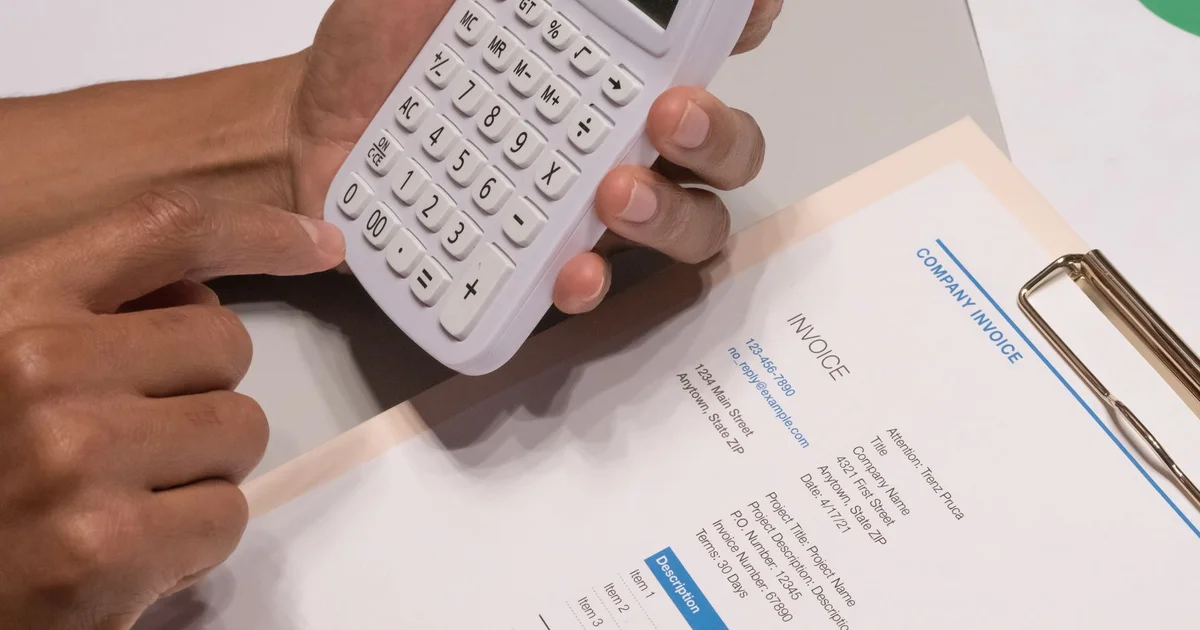
An electronic document (invoice, credit note, debit note, withholding or delivery note) is generated in digital format, signed with your electronic signature and sent to the SRI for validation. The customer receives an XML file and its visual PDF representation. The SRI's goal is real-time traceability of transactions and reduced evasion.
Who is required
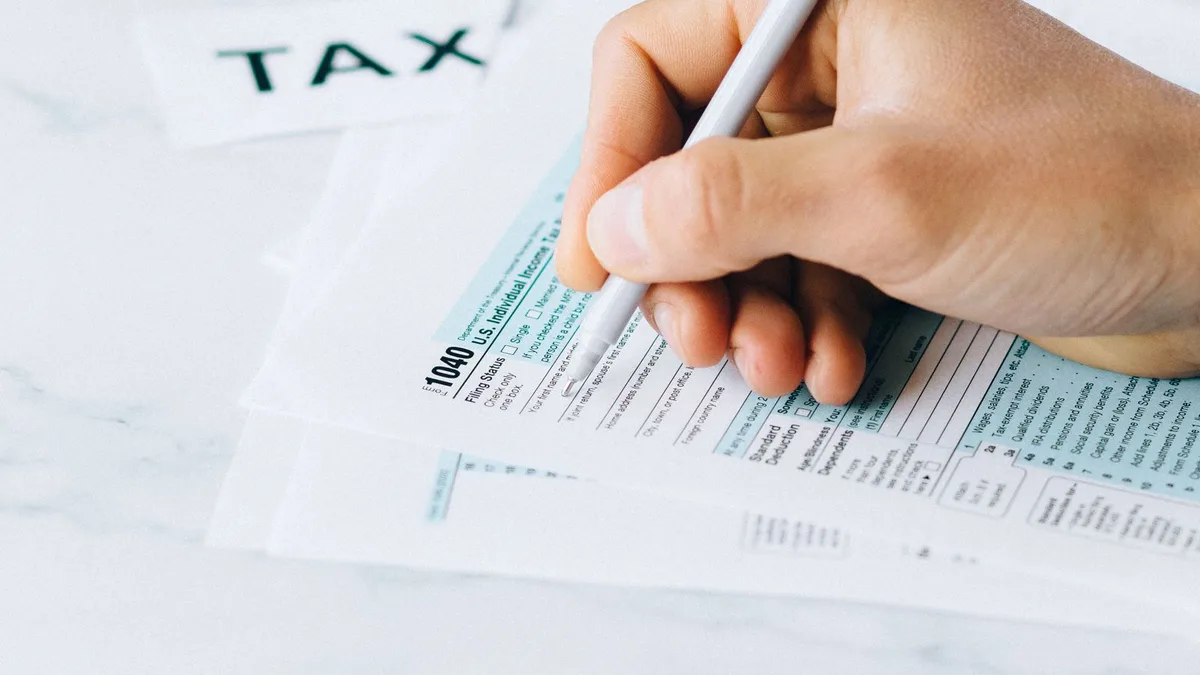
The universe of obligated taxpayers is broad and includes companies, individuals required to keep accounting records, and taxpayers under the RIMPE regime, each with their own calendars and simplifications. Since the rules have kept evolving, the safest way to know your specific situation is to log in to the SRI portal with your tax ID and review your obligations calendar.
The shift toward immediate transmission
One of the most relevant trends is the requirement to transmit documents to the SRI at the moment they are issued, rather than batching and sending them later. This means your system must be connected and available when you invoice. Deadlines for voiding documents have also been clarified, so correcting an error too late may force you to issue a credit note instead.
Before applying any change, always verify the current regulations and official deadlines directly with the SRI, as dates and details may be updated.
From obligation to opportunity
Many SMEs experience electronic invoicing as a burden, but when implemented well it becomes a real operational advantage.
- Less paper and fewer errors: no more paper pads or manual transcription.
- Faster collections: the customer receives their document instantly.
- Tidy accounting: XML files feed directly into your accounting system.
- Calmer compliance: lower risk of fines and observations.
Integrating it with your systems
The real leap comes when invoicing does not live in isolation but connects with your inventory, point of sale and accounting. If every sale automatically generates the document, deducts stock and records the entry, you eliminate double data entry and gain reliable information for decisions. That is when software stops being a formality and becomes a management tool. A connected setup also gives you a clearer picture of cash flow, pending payments and your best-selling products, turning a compliance task into daily business intelligence you can act on.
How we approach it at SimCodec
At SimCodec we support Ecuadorian SMEs across the whole chain: from the electronic signature and selecting an SRI-compliant invoicing solution to integrating it with the systems you already use. We make sure infrastructure and connectivity respond when transmission must be immediate, and that your documents are securely backed up. Our goal is for SRI compliance to be the natural result of an orderly process, not a last-minute scramble at every month's close.
Is your electronic invoicing working for you today, or just meeting the requirement? If you feel you are keying in the same data twice, let's talk about integrating it with the rest of your operation.
Who is required to issue electronic invoices in Ecuador?
The universe of obligated taxpayers is broad and includes companies, individuals required to keep accounting records, and taxpayers under the RIMPE regime, each with their own calendars. The safest way to confirm your specific situation is checking the SRI portal with your tax ID.
What changed with the requirement for immediate transmission to the SRI?
Documents must be transmitted to the SRI at the moment they are issued, rather than batched and sent later, meaning the invoicing system must be connected and available at the moment of the sale.
What is the benefit of integrating electronic invoicing with other business systems?
When invoicing connects with inventory, point of sale and accounting, every sale automatically generates the document, deducts stock and records the accounting entry, eliminating double data entry and providing reliable information for decisions.