

The Energy Cost of AI: The Race for Data Centers, Chips and Power
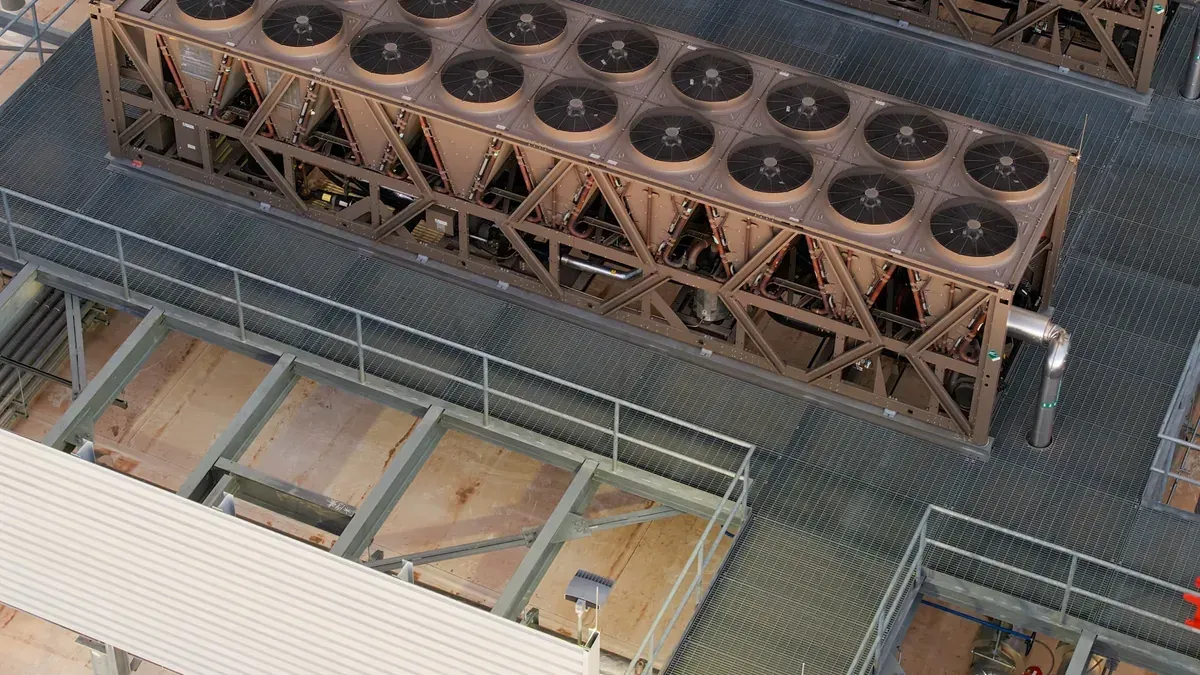
Behind every response from an AI model there is electricity, a lot of it. In 2026 the technology conversation added a factor that once seemed secondary: energy. The International Energy Agency reported that data-center electricity use surged in 2025, and that AI-focused facilities grew even faster, well outpacing global electricity demand growth. For companies in the region this is not a distant statistic: it affects costs, availability and architecture decisions.
A demand that is soaring
Industry projections point to data-center electricity demand rising sharply toward the end of the decade, driven above all by inference workloads: every query to a model consumes energy, and at massive scale the sum is enormous. High-density GPU clusters concentrate much of that appetite.
The constraint is no longer just the chip
A major shift in 2026 is that the bottleneck moved from silicon toward energy and infrastructure. Reports indicate that part of the planned data-center capacity could slip due to grid interconnection queues and construction limits. The question is no longer only how many chips, but how much power and where.
The race for efficiency
The good news is that efficiency is advancing too. Compute per watt has improved enormously over the years, and chips are emerging that offer better price-performance than traditional options. The challenge is that total consumption grows faster than efficiency gains: making each operation cheaper is not enough if you run far more operations.
- More efficient hardware: new accelerators and optimized architectures.
- Smaller models: using the right model for each task instead of always the largest.
- Location and cooling: data-center design that reduces the associated energy spend.
What it means for your business
For a Latin American organization, the energy cost of AI translates into the price of cloud services and the environmental footprint of what you deploy. Two practical criteria help:
- Choose the right model, not the biggest one. Many tasks are solved with compact models at a fraction of the cost and consumption.
- Measure usage. Optimizing queries and avoiding unnecessary compute reduces both the bill and the footprint.
How we approach it at SimCodec
At SimCodec we design AI solutions with efficiency in mind, not just capacity. We help the client pick the appropriate model for each case, avoid over-provisioning when a lighter option suffices, and optimize usage so cloud spend stays under control. We understand that in the region every dollar of infrastructure matters, and that an efficient architecture is at once cheaper and more sustainable. The goal is for AI to deliver value without becoming an energy cost no one measured.
Do you know how much the AI you use or plan to use consumes and costs? Measuring it is the first step toward making efficiency work in your favor.
How much is AI driving up data center electricity demand?
The International Energy Agency reported that data-center electricity use surged in 2025, and that AI-focused facilities grew even faster, well outpacing the growth of global electricity demand overall.
Is the bottleneck for AI in 2026 the chips or the power supply?
A major shift in 2026 is that the bottleneck moved from silicon toward energy and infrastructure, with part of the planned data-center capacity reportedly at risk of delay due to grid interconnection queues and construction limits.
What can a company do to control the energy cost of the AI it uses?
Choosing the right model for each task instead of always the largest one, and measuring usage: optimizing queries and avoiding unnecessary compute reduces both the cloud bill and the environmental footprint.