

Satellite internet and rural connectivity in Ecuador: the role of Starlink
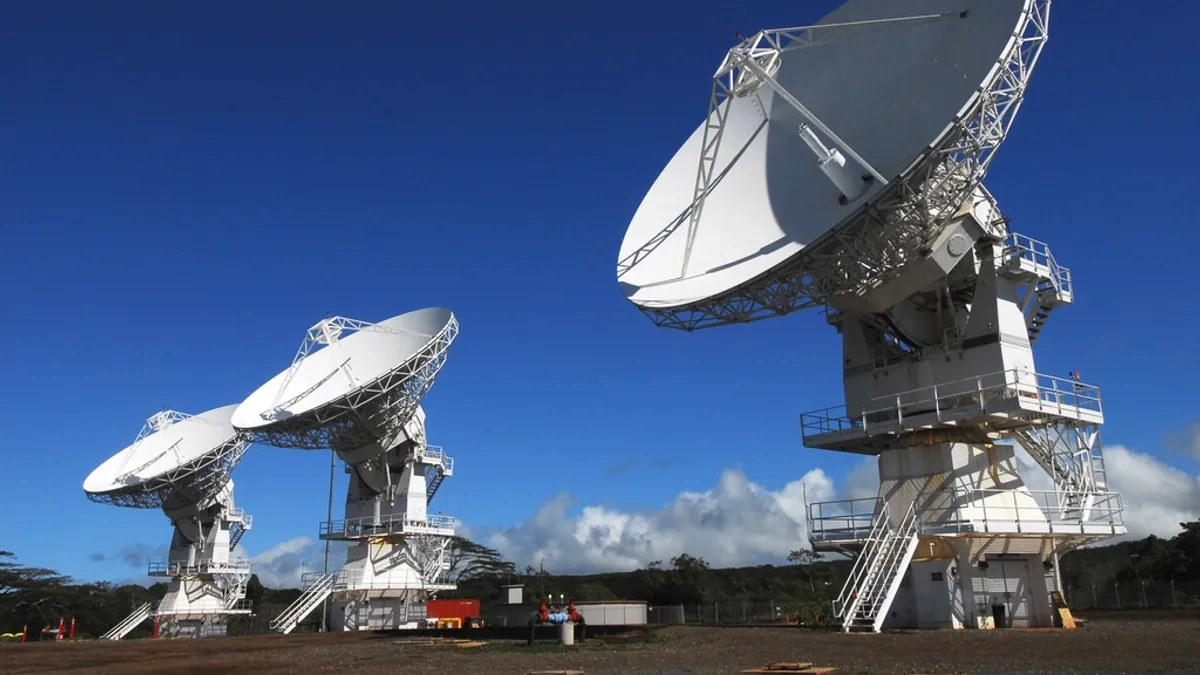
In Ecuador, geography complicates connectivity. Farms, estates, camps, monitoring stations and entire communities fall outside the reach of fiber optics and reliable mobile coverage. In that context, low-earth-orbit satellite internet has become a real alternative. Starlink has operated in Ecuador since April 2023, including the Galapagos Islands, and today it is a concrete option to close gaps where terrestrial infrastructure does not reach.
What low-earth-orbit satellite solves
Unlike traditional satellite, low-earth-orbit (LEO) constellations operate at hundreds of kilometers of altitude, which drastically reduces latency. This enables uses that were previously unviable over satellite: video calls, cloud systems, telemetry and even remote video surveillance. Installation does not depend on laying fiber or costly infrastructure, which speeds up deployment times.
Relevant use cases in Ecuador
The value of satellite internet is not only bringing signal where there was none; it is enabling productive operation. Some frequent scenarios:
- Agribusiness and estates in Esmeraldas, Sucumbios, Pastaza, Loja or Carchi, where fiber does not reach.
- Temporary camps, construction sites and mining or oil operations in remote areas.
- Educational and health institutions in dispersed zones.
- Points of sale and isolated branches that need to connect to central systems.
The most strategic use: backup and redundancy
Many organizations assume satellite is only for areas without coverage. In practice, its most valuable use for businesses is often as a backup link. A business with fiber in the city also suffers outages: provider service interruptions, network damage or weather events. A satellite link configured as failover keeps critical systems running while the main link is restored.
The key is in the design: having two links is not enough. You need to configure automatic switching, traffic priorities and monitoring so the transition is transparent. For a company whose point of sale, electronic invoicing or cameras depend on being online, those seconds of continuity are the difference between operating and stopping.
Moreover, well-planned redundancy allows load distribution: for example, reserving the terrestrial link for heavy traffic and the satellite one for critical services, or splitting bandwidth by priority. It is not about doubling costs for safety, but about using both links intelligently.
Considerations before adopting it
Satellite internet is not a universal solution. It is worth evaluating with judgment:
- The recurring monthly cost, which sits in a range of roughly USD 40 to 80 depending on the plan, and how it fits the operating budget.
- The real performance expected based on location and local congestion.
- Integration with the local network: firewall, VLAN, security policies and balancing.
How we approach it at SimCodec
At SimCodec we do not see satellite as an isolated product, but as one piece within a connectivity strategy. We assess whether it works best as a primary or backup link, integrate it with the existing network through balancing and automatic failover, and ensure that security and monitoring cover that link too. For institutions and companies in remote areas, we design solutions that combine satellite, radio links and local networks to guarantee operational continuity.
Does your operation have sites or processes that stop when the internet goes down? Let's talk about a redundant connectivity scheme tailored to your geographic reality.
What is Starlink and since when does it operate in Ecuador?
Starlink is a low-earth-orbit (LEO) satellite internet service that has operated in Ecuador since April 2023, including the Galapagos Islands. Operating at hundreds of kilometers of altitude drastically reduces latency versus traditional satellite, enabling uses like video calls and remote video surveillance.
What is satellite internet's most strategic use for a business?
Beyond bringing signal to areas without coverage, its most valuable use for businesses is often as a backup (failover) link: it keeps critical systems like point of sale, electronic invoicing or cameras running while the main link is restored.
How much does Starlink cost and what should be evaluated before adopting it?
The recurring monthly cost sits roughly between USD 40 and 80 depending on the plan. Before adopting it, it is worth evaluating the real expected performance based on location and local congestion, and its integration with the local network (firewall, VLAN, security policies and balancing).