

Automation: reclaim hours with bots
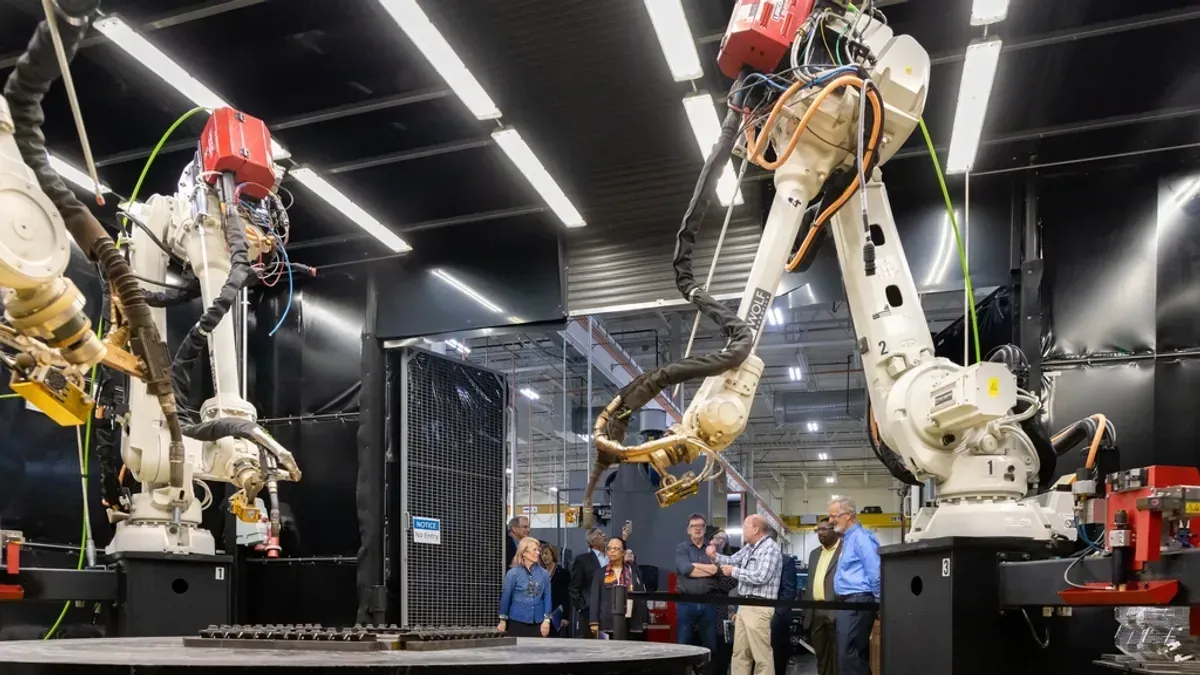
Every repetitive manual task is an automation opportunity. Copying data between systems, downloading reports, checking competitor prices, consolidating spreadsheets: these are hours your team spends on something a machine can do better, without errors and without rest.
What can be automated?
The rule is simple: if a task is repetitive, follows clear rules and happens often, it can probably be automated. Some common examples:
- Large-scale web data extraction (scraping).
- Automatic report generation and delivery.
- Syncing between systems that don't talk to each other.
- File and spreadsheet processing.
- Alerts when something changes or goes out of range.
The real return: time and accuracy
The obvious benefit is reclaiming hours. But the most valuable is usually accuracy: a bot doesn't get distracted, mistype a figure or skip a step. In processes where an error costs money or credibility, consistency is worth as much as speed.
How to tell if it's worth it
Multiply the time a task takes by how often it repeats per month. If it's several recurring hours, automation almost always pays for itself quickly.
Start small
You don't need to automate everything at once. Pick one annoying, well-scoped task, automate it, measure the savings and use that result to justify the next one. The change is gradual and the team adopts it without friction.
Beware fragile "homemade automation"
An improvised script only its author understands is a time bomb. Good automation is documented, handles errors, alerts when something fails and is easy to maintain.
How we approach it at SimCodec
We have built scraping programs and automations that collect and process large volumes of data for our clients. We start with the most painful process, automate it robustly and leave it documented and monitored.
What's the task your team hates repeating every week? That's where to start.
What kind of tasks can be automated with bots?
The rule is that if a task is repetitive, follows clear rules and happens often, it can probably be automated. Common examples include large-scale web data extraction (scraping), automatic report generation, syncing between systems, file processing and alerts when something goes out of range.
How do you know if automating a task is worth it?
Multiply the time a task takes by how often it repeats per month; if it adds up to several recurring hours, automation almost always pays for itself quickly. The most valuable benefit is not just time saved but accuracy, since a bot does not get distracted or skip a step.
What is the risk of a careless, homemade automation?
An improvised script only its author understands is a time bomb. Good automation, by contrast, is documented, handles errors, alerts when something fails and is easy to maintain.